Accessible Housing Basics Guide for People With Disabilities


Key takeaways
- Accessible housing supports safety, dignity, and independence.
- The right features depend on the person, and needs can change over time, so planning ahead helps keep your options open.
- Accessibility goes beyond mobility features like a no-step entry or wider doorways. It can also include sensory and communication supports, like visual alerts and sound reduction.
- You can look for an accessible home, modify the one you have, or do a bit of both.
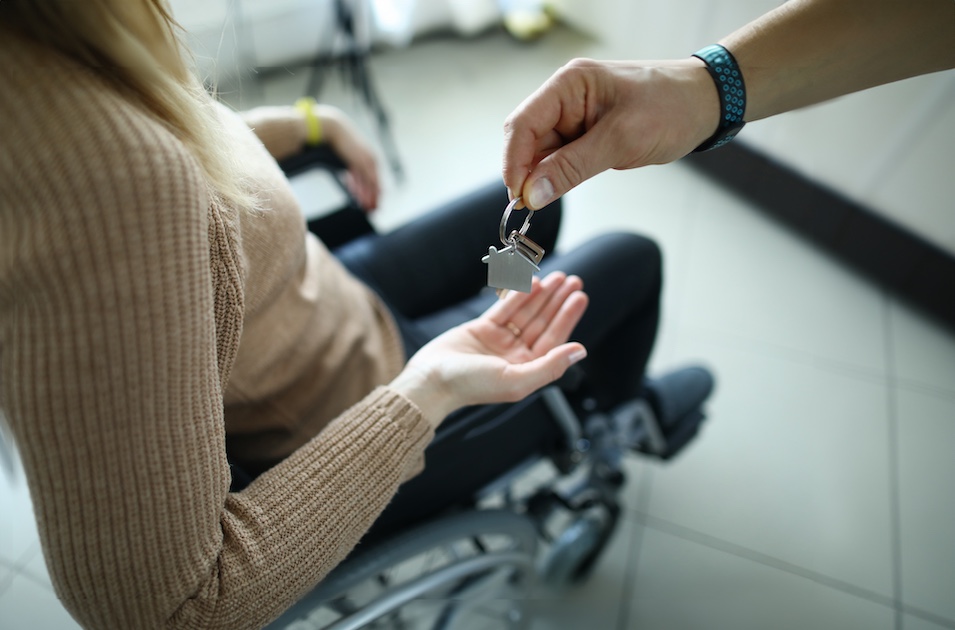
Accessible housing means having a home you can get into, move around in, and use safely, both day to day and in an emergency. For many people with disabilities and for older adults, it’s essential. It can be the difference between living independently and needing help every day with basics like bathing, cooking, or getting in and out of the house.
The U.S. Department of Housing and Urban Development (HUD) reports that 19 percent of American households include someone with accessibility needs. Almost four in 10 of those households are missing key features, like a bedroom and bathroom on the entry level or a ramp to get into the house. In other words, a lot of families are trying to make traditional housing work for needs it was never built to support. If that sounds familiar, you’re not alone.
Why accessible housing matters
Accessible features shape what everyday life looks like, both for the person who needs them and for the family members who help. Changes to key spaces like entryways, kitchens, and bathrooms can determine whether your loved one can bathe, make a meal, or leave the house safely on their own.
It’s also about quality of life. A home that truly works for someone supports their privacy, their dignity, and their connection to the community around them.
What “accessible housing” really means
When you hear “accessible,” you might picture a ramp and a wide doorway. Those features matter, but accessible housing covers a lot more.
Put simply, accessible housing is a home that someone can use safely and comfortably, based on their body, their health, and their daily routines. That can include:
- Physical access: Getting in the door, moving through hallways, and using the bathroom and kitchen.
- Communication access: Knowing when a smoke alarm, doorbell, or phone is going off.
- Sensory access: Good lighting, comfortable sound levels, and clear cues for finding your way around.
It also helps to know three related terms:
- Accessible features make a home usable right now, like a no-step entry, grab bars, a roll-in shower, or a stair lift.
- Adaptable housing is a home built or chosen with future changes in mind, like a bathroom with enough room for a wheelchair to turn around, even if no one needs that today.
- Universal design is an approach that makes a home easier for as many people as possible to use, without special add-ons. Many universal design choices, like lever handles or a no-step entry, help people of all ages and abilities.
Common home accessibility features
There’s no one-size-fits-all checklist. A home that works well for someone who uses a wheelchair may not fully meet the needs of someone with low vision, someone living with dementia, or someone who is hard of hearing.
That said, these features come up often because they help prevent falls, make daily tasks easier, and support safer independence:
- Stair alternatives: A ranch-style home with no entry steps, or features like ramps and elevators, lets people of all abilities get in and around.
- Parking: A parking spot close to the entrance makes coming and going easier.
- Wider doorways and hallways: Wider passages, open floor space, and flat, low thresholds make it easier to move around with a wheelchair or walker.
- Bathroom features: Grab bars, walk-in or roll-in showers, shower benches, nonslip floors, and sinks with open space underneath can help people with mobility challenges.
- Kitchen features: Easy-to-reach appliances, lower counters and cabinets, pull-out shelves, and open space under sinks or cooktops make it possible to cook while standing or seated.
- Lighting and visual support: Bright, well-lit rooms and clear pathways help older adults and people with low vision get around and avoid falls.
- Alerts: For people who are Deaf or hard of hearing, smoke and carbon monoxide alarms with visual alerts can be lifesaving. Doorbells that flash or vibrate, and alert systems that connect to a smartphone, help make sure urgent signals don’t get missed.
- Lever door handles: Levers are easier to open than round knobs, especially for people with arthritis or limited hand strength.
- Sound and sensory comfort: Sound-dampening materials, soft-close cabinets and doors, and a dedicated quiet space can help people with sensory sensitivities or those who rely on clear sound cues.
If you’re looking at rentals or apartment buildings, it’s helpful to know that some buildings have to meet accessibility design requirements under the federal Fair Housing Act (which is separate from the Americans with Disabilities Act). HUD’s overview of the Fair Housing Accessibility Guidelines is a great place to start.
Housing options to consider
Accessible housing isn’t one type of home. Most families weigh a few different paths, depending on budget, location, and what their loved one wants.
- Modifying a private home. This can be a good fit if your loved one wants to stay close to family, school, work, and their health care providers. It’s also a practical choice when accessible rentals are hard to find.
- An accessible apartment or condo. Some units come with accessible features built in. Others can be modified with the landlord’s permission as a reasonable accommodation.
- Supportive housing, assisted living, or a group home. These settings offer built-in support, which may be the right choice when someone needs help every day.
Planning for changing needs
Needs often change over time. Housing needs might shift because of:
- A progressive disability or a new diagnosis
- Recovery from surgery or an injury
- A change in mobility aids (for example, moving from a cane to a walker to a wheelchair)
- Changes in stamina, balance, vision, or hearing
- A change in living situation, like moving out, moving in with family, or losing a caregiver
A smart approach is to find a home that works today and leaves room for tomorrow. A few questions to ask:
- If there are steps at the entrance, is there space to add a ramp later?
- If the home has more than one story, is there a realistic way to live on one floor, or to add an elevator or stair lift?
- Is there enough room in the bathroom for a shower bench, a caregiver to help, or a wheelchair to turn around?
At the end of the day, accessible housing is about fit: a home that matches your loved one’s needs so daily life can be safer and more independent. If you’re deciding whether to move or modify, start with the features that matter most for safety and build from there.
Thinking ahead now can make it easier for your loved one to age in place and stay connected to their community.
This article is not intended to provide investment, tax, or legal advice. Before making decisions involving investing, legal, tax or accounting concerns, you should consult appropriate professionals regarding your specific situation.